Description:
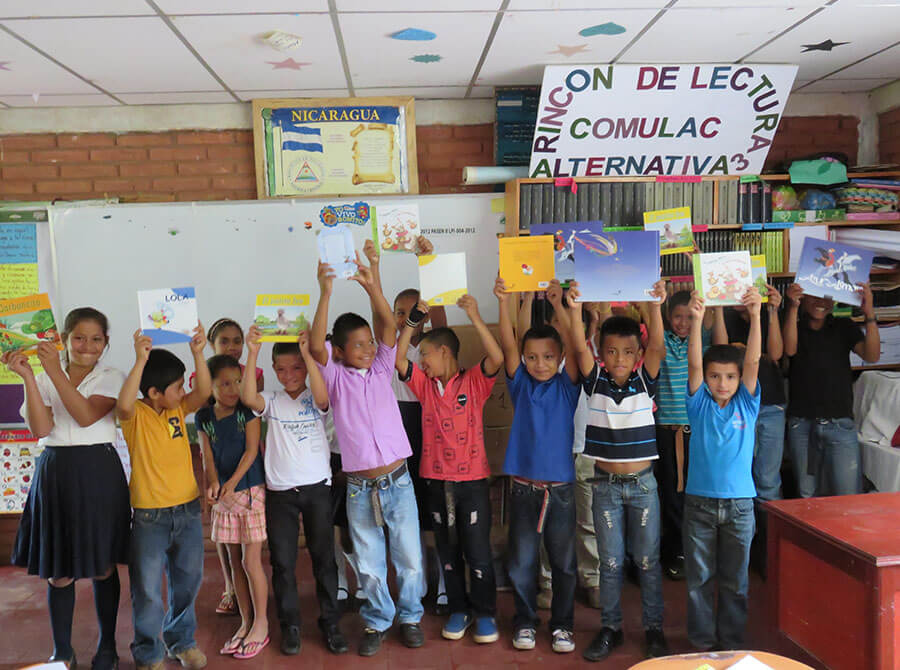
The creation of different reading points and the provision of the necessary materials for their operation. Among them, 9 rural schools with scarce resources have been provided with books and school materials, a reading point has been set up at the COMULACS cooperative headquarters, and a public library has been created in El Tuma.
Partner counterpart:
COOPERATIVA AUGUSTO CESAR SANDINO (COMULACS), AND CECOCAFEN.
Contributors:
FUNDACIÓN LOGÍSTICA JUSTA, MUNICIPALIDAD EL TUMA LA DALIA, EL CIRCULO DE LECTORES, FUNDACIÓN CARES.
With the support of:
Terrassa City Council Alternativa3 NGO has been carrying out this project since 2009. It consists of providing grants to young people, 50% men and 50% women, from the rural communities of El Tuma- La Dalia (North of Nicaragua), to increase the literacy of the communities and to ensure that, in the future, thanks to this training, there will be technical workers in productive, educational and cultural activities. Nicaragua is the second poorest country in Latin America and one of the most food insecure countries in the world. According to the UNDP's 2011 HDI data, 46.2% of the population lives in conditions of poverty, 11.2% live in extreme poverty, a percentage that increases in rural areas. The problems that this programme seeks to solve are:
- 9 rural schools with limited resources.
- We have created a public library in El Tuma, with the collaboration of the local NGO "books for children", with an agreement with the Municipality of El Tuma la Dalia to maintain a person hired to provide a full time service to the children.
- A reading corner in the Augusto Cesar Sandino cooperative and the Benjamín Zeledón Secondary School, with more university and technical books. These two corners are strategically located to link different rural areas.
What do we finance?
The Logística Justa Foundation, together with the Círculo de Lectores, donated more than 3,000 books, but the project also included the purchase of Nicaraguan culture and reference books, such as encyclopaedias, technical books on agronomy, industrial mechanics and animal nutrition, among others. In addition, rural schools have been provided with school materials, and all of this has encouraged the habit of reading and motivation to study.
This project has led to a reading competition in the community, and a lot of interest from public institutions because of the good results obtained and the motivation and community strengthening it has generated.
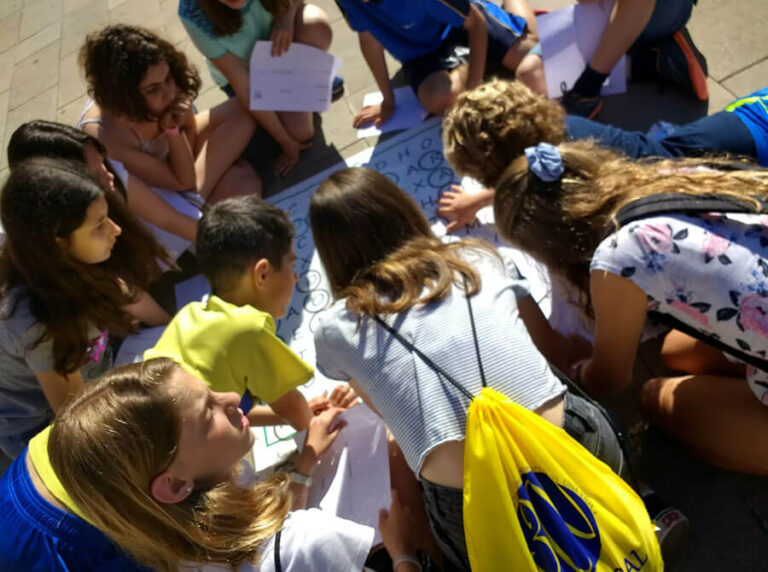
This project included workshops on the good use of reading and gender equality, which were given by former graduates, strengthening the professional generational relay and giving an example to the younger ones of the options offered by study.
Education, access to culture, study grants and the improvement of educational conditions are all part of a process of improving the quality of life of the communities, always with a vision of gender equality to help improve the empowerment of women.
When do they finish?
The school year begins in February and ends in November.
The number of scholarship holders to date.