

The recognition of fair trade in social economy law marks an important step forward for a model based on dignity, sustainability, and fair relationships. The news, published by the State Coordinator of Fair Trade on April 13th, also coincides with the 40th anniversary of the movement in Spain.
The new Social Economy Act 2026 explicitly incorporates fair trade, reinforcing its role within this people-centred economic model.
The law was published in the Official State Gazette (BOE) on 9 April and came into force on the 10th. In its Article 8, fair trade is included among the areas promoted within the social economy. This is not a fleeting mention, but a clear and direct recognition.
Furthermore, the additional ninth provision defines what is understood by fair trade entities and how they fit into this ecosystem. This detail brings clarity and institutional support to a sector that had been demanding visibility within the legal framework for years.
This recognition is analysed in depth in the article by the State Coordinator of Fair Trade, where its impact on the sector is contextualised.
Recognition of fair trade within the social economy strengthens its legitimacy and opens new opportunities for its development.
For fair trade to become part of the law implies something more than a symbolic statement. It means giving it institutional visibility and consolidating it as an economic structure with real impact.
It also makes it easier for public policies to promote it and for it to gain weight in responsible purchasing decisions, both in public administrations and in companies.
From the State Coordinator for Fair Trade, it is suggested that this step can favour its incorporation into public procurement processes and into more sustainable business strategies.
Even so, the context encourages us to keep moving forward: in Spain, the average annual spend on fair trade is around €3.20 per person, far from countries like France, where it exceeds €30.
The connection between the social economy and fair trade is not new, but it is now officially enshrined in the Social Economy Act 2026.
The social economy groups together initiatives that prioritise collective wellbeing, sustainability and equity. Within this framework, fair trade fits naturally: it shares the same way of understanding production, commercial relationships and the impact on the environment.
This recognition also comes at a symbolic time. The fair trade movement is celebrating its 40th anniversary in Spain, consolidating a journey that has shown that another way of doing things is viable, also from an economic point of view.
Talking about fair trade in Spain means talking about a model that connects responsible consumption with dignified conditions at the source.
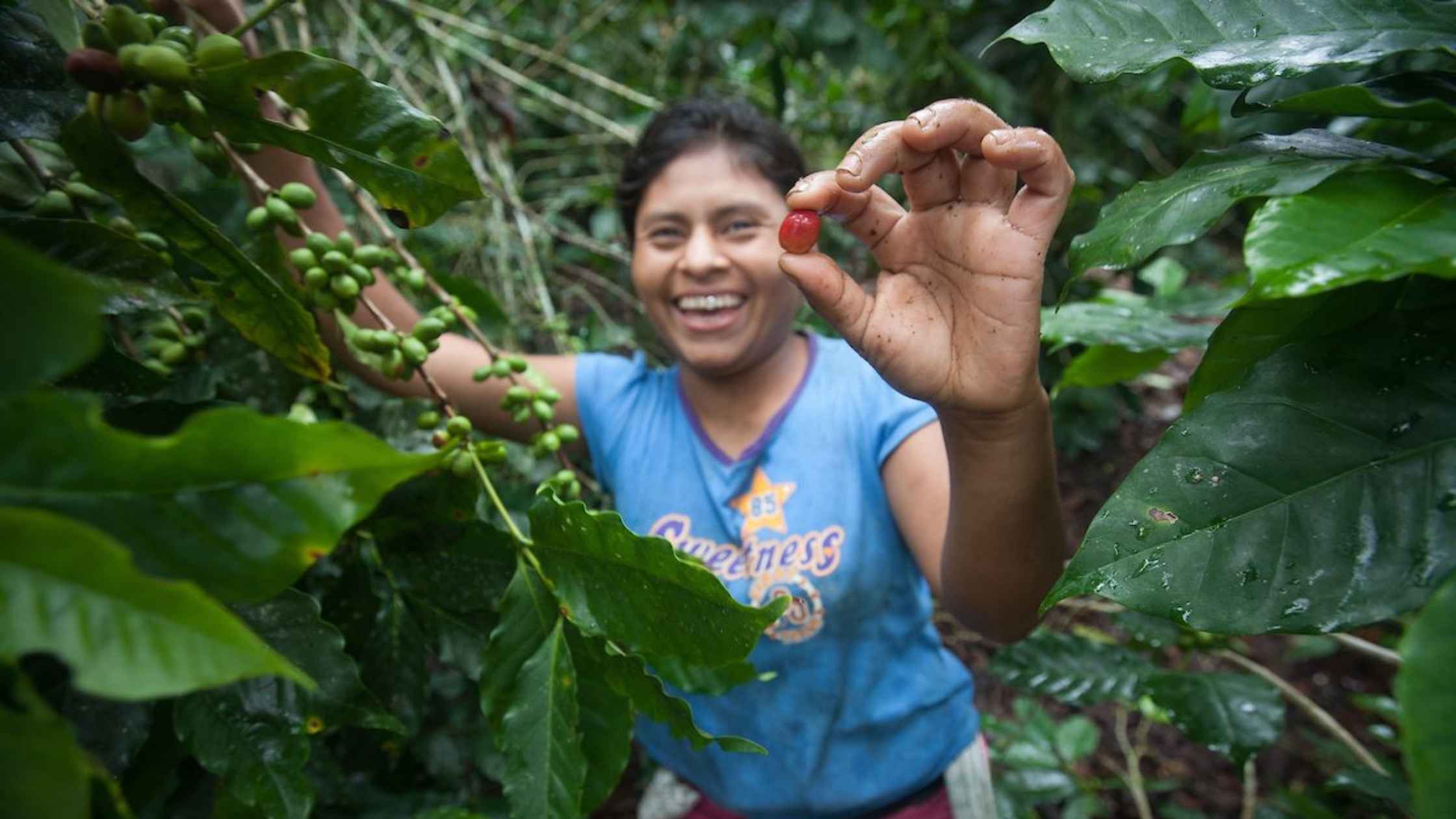
Behind every fair trade product are concrete decisions: prices that allow for a living wage, decent working conditions, the absence of child exploitation, and a genuine commitment to gender equality.
Added to this are stable commercial relationships, which bring security to producer cooperatives, and environmentally friendly agricultural practices. All of this creates a value chain that is not based solely on economic exchange, but on respect and transparency.
Fair trade and responsible purchasing are brought closer together with this recognition within the social economy, connecting law with everyday decisions.
This type of institutional progress helps to make fair trade more visible and understandable to consumers. But the real change happens in everyday life: choosing products that respect those who produce them.
Every purchase can support a different way of producing and distributing. There's no need to change everything at once; it's enough to start looking at the origin, the process, and the conditions behind what we consume.
In that sense, fair trade stops being perceived as something sporadic or exceptional and becomes integrated into more conscious, accessible, and coherent consumption habits, aligning with what many people are already looking for.
The recognition of fair trade in social economy law reinforces a model that many organisations have been championing for years through day-to-day practice.
This advance does not create fair trade, but it does give it the position it deserves. From AlterNativa3, it has been part of our daily lives for decades: in the selection of raw materials, in relationships with producer cooperatives, and in the way we understand each product.
Celebrating this step also means acknowledging the work of all the people who have sustained this model for years, often without the institutional backing that is now beginning to be consolidated.
Fair trade is gaining ground within the social economy, but its meaning remains in the essentials: fairer relationships, products with a story, and consumer choices that have an impact.
Choosing fair trade is a concrete way to support a more humane, transparent, and sustainable economic model.

Would you like to receive your favourite AlterNativa3 products regularly?

Subscribe to our Newsletter and we'll keep you up to date on everything. Plus, you'll get a 5% discount.
EXCELENTETrustindex verifica que la fuente original de la reseña sea Google. Productes de molta qualitat, cafès i cacau boníssims!!! Amb un tracte proper i immillorable. Recomanable 100%!!! 😊Publicado en GoogleTrustindex verifica que la fuente original de la reseña sea Google. Molt bons productes amb un tracte professional i alhora, proper.Publicado en GoogleTrustindex verifica que la fuente original de la reseña sea Google. Espectacular café, chocolate y azúcar, ya no pruebo ninguno más👌🏼👌🏼 Todo esto unido al trato cercano y maravilloso de su equipo humano hacen que Alternativa 3 sean pioneras en calidad, respuesta al cliente y comercio justo🙏🏼 Seguir así! Felicidades👏🏼👏🏼Publicado en GoogleTrustindex verifica que la fuente original de la reseña sea Google. productos de muy buena calidad,en mi caso el cafe y el chocolate 100%.Rapidos y mucha profesionalidadPublicado en GoogleTrustindex verifica que la fuente original de la reseña sea Google. Producte excel·lent, molt satisfet amb la compra, el cacau és immillorable, molt recomanat!Publicado en GoogleTrustindex verifica que la fuente original de la reseña sea Google. Los productos que comercializan son de muy buena calidad y además de comercio justo, que es perfecto para los productores, los pedidos se sirven muy rápido, todo perfecto...Publicado en GoogleTrustindex verifica que la fuente original de la reseña sea Google. Muy buen cafe, no tardan nada en mandartelo!!! Y encima de comercio justo!!!

We'll keep you updated on everything, and furthermore,
you will get a 5% discount.

Would you like to receive your selection of products from
AlterNativa3 recurrently?